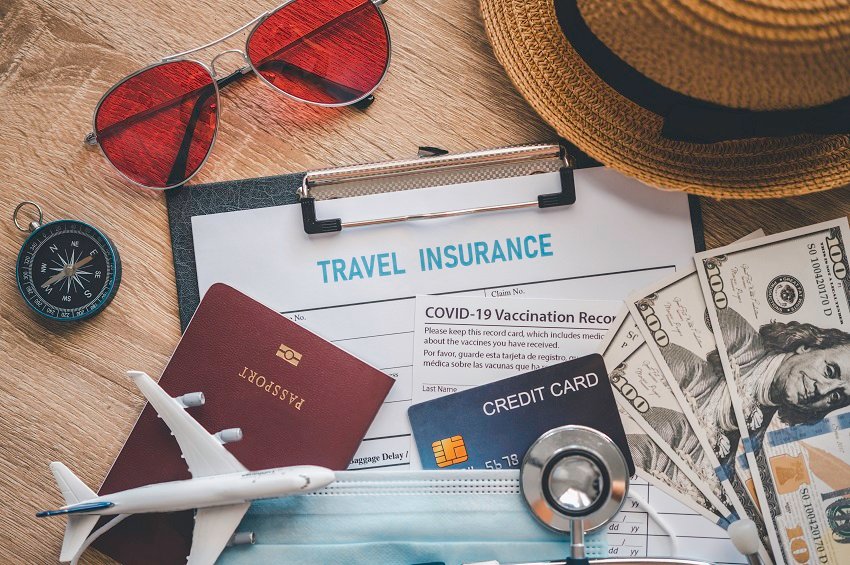
Traveling is exciting—whether it’s a family vacation, a business trip, a study program abroad, or a solo adventure. But unexpected problems can turn even the best-planned trips upside down. Lost luggage, medical emergencies, flight delays, natural disasters, or sudden cancellations can cost hundreds—or even thousands—of dollars.
That’s where Travel Insurance becomes your safety shield.
This fully detailed guide will help you understand what travel insurance is, why you need it, how it works in 2025, what it covers, what it doesn’t, and how to choose the best plan for your trip.
Let’s break everything down in a clear and human-friendly way.
What Is Travel Insurance?
Travel insurance is a financial protection plan designed to cover unexpected losses and emergencies that may happen before or during your trip. These include:
- Medical emergencies
- Trip cancellation
- Lost or delayed luggage
- Passport loss
- Flight delays or interruptions
- Accidents abroad
Think of travel insurance as a safety net that travels with you.
Why Travel Insurance Is Important in 2025
Travel in 2025 is more unpredictable due to:
- Increasing flight delays globally
- Higher medical costs in foreign countries
- More frequent extreme weather events (storm, snow, floods)
- Rising cases of lost or misplaced luggage
- Expensive international travel
According to a 2024 IATA report, over 21% of international flights faced delays, and luggage mishandling increased by 7% worldwide.
Travel insurance ensures you don’t have to pay out of pocket for situations that aren’t your fault.
Who Should Buy Travel Insurance?
Travel insurance is strongly recommended for:
- International travelers
- Students going abroad
- Business travelers
- Pilgrims (Umrah, Hajj, Ziyarat)
- Family vacationers
- Senior citizens
- Anyone traveling to countries with expensive healthcare (USA, Canada, UK, Europe)
If you’re traveling abroad, travel insurance is not optional—it’s essential.
Types of Travel Insurance
Below are the most common types of travel insurance available worldwide:
1. Single-Trip Travel Insurance
Covers one trip from departure to return.
Best for:
Tourists, family trips, short vacations.
2. Multi-Trip (Annual) Travel Insurance
Cover unlimited trips in a 12-month period.
Best for:
Business travelers, frequent flyers.
3. Student Travel Insurance
Designed for students studying abroad.
Covers:
Medical expenses, passport issues, tuition repayment, laptop theft.
4. Family Travel Insurance
Covers the entire family under one policy.
Best for:
Parents traveling with children.
5. Senior Citizen Travel Insurance
For travelers aged 60–85.
Covers:
Medical emergencies, accidental injuries, pre-existing disease coverage (limited).
6. Corporate/Business Travel Insurance
Covers employees traveling for work.
Includes:
Trip interruptions, lost work materials, medical emergencies.
7. Schengen Travel Insurance
Mandatory for visiting Schengen countries.
Covers:
€30,000 medical emergency coverage.
8. Domestic Travel Insurance
Valid within your home country.
Covers:
Flight delays, luggage loss, road accident medical support.
What Travel Insurance Covers
Here’s what a good travel insurance policy usually includes:
1. Medical Emergencies Abroad
If you fall sick or meet with an accident in another country, medical costs can be shocking.
Example: In the U.S., a simple emergency room visit can cost $1,000 to $5,000.
Coverage includes:
- Hospital bills
- Doctor fees
- Medicine
- Surgery
- Emergency medical evacuation
- Repatriation
2. Trip Cancellation or Interruption
You get reimbursed if your trip gets cancelled due to:
- Illness
- Natural disaster
- Visa rejection
- Family emergency
- Airline bankruptcy
3. Lost or Delayed Luggage
Covers:
- Lost bags
- Stolen bags
- Damaged bags
- Luggage delayed more than 12 hours
Airlines pay very little; insurance fills the gap.
4. Passport or Document Loss
Covers the cost of:
- Passport reissuance
- Embassy fees
- Travel to embassy
5. Flight Delay or Missed Connection
You get compensation for:
- Meals
- Hotel stay
- Transport due to long delays
6. Personal Liability
If you accidentally damage someone’s property or cause injury, the insurance pays for damages.
7. Adventure Sports Coverage (Optional)
For adventure lovers:
- Hiking
- Scuba diving
- Skiing
- Skydiving
These require a special add-on.
What Travel Insurance Does NOT Cover
To choose smartly, you must know the exclusions.
Travel insurance usually does NOT cover:
- Intentional self-harm
- Traveling without valid documents
- Pre-existing diseases (unless add-on available)
- Alcohol- or drug-related incidents
- High-risk activities without add-on
- Traveling against doctor’s advice
- Claims without proper proof or receipts
How Much Does Travel Insurance Cost? (2025)
The cost depends on:
- Destination
- Trip duration
- Age of traveler
- Coverage amount
- Add-ons chosen
Average Cost Example:
A 1-week trip to Europe may cost:
$25–$60 for basic coverage
$80–$150 for premium coverage
A trip to the USA:
$40–$120 (due to expensive healthcare)
Best Travel Insurance Companies (Global List)
Here are some highly trusted travel insurers in 2025:
- Allianz Travel
- AXA Assistance
- Travel Guard
- World Nomads
- Generali Global Assistance
- IMG Global
- Travelex Insurance
- SafetyWing (best for digital nomads)
Each company offers plans tailored for students, families, business travelers, and seniors.
How to Choose the Best Travel Insurance (Step-by-Step Guide)
1. Know Your Destination
Traveling to the USA?
Choose a plan with high medical coverage.
Traveling to Europe (Schengen)?
Choose a Schengen-approved plan.
2. Check Medical Coverage
Minimum recommended:
- $100,000 coverage for U.S. travel
- €30,000 for Schengen
- $50,000 for Asia & Middle East
3. Compare Coverage vs. Price
Never buy the cheapest policy.
Focus on what it covers.
4. Check Adventure Sports Add-Ons
If you’re skiing in Switzerland, you must add adventure sports coverage.
5. Read Exclusions Carefully
Always check what the insurer does not cover.
6. Choose a Trusted Company
Check:
- Claim settlement ratio
- Customer reviews
- 24/7 global support
Real-Life Examples: Why Travel Insurance Saves You Money
Example 1: Medical Emergency in USA
A traveler from Pakistan visited New York and suffered appendicitis.
Hospital bill: $28,000
Insurance paid: 100%
Example 2: Lost Luggage in Heathrow Airport
Family traveling to London lost their bags.
Insurance paid:
- Clothes
- Toiletries
- Essentials
Total coverage: £750
Example 3: Trip Cancellation Due to Visa Delay
A Dubai traveler’s Schengen visa was delayed.
Insurance reimbursed their non-refundable tickets worth $650.
Travel Insurance for Students (Important Section)
Students studying abroad need coverage for:
- Medical emergencies
- Tuition fee protection
- Laptop/mobile theft
- Passport loss
- Travel delays
- Family emergency return
Countries like Canada, UK, Australia, Germany, and others strongly recommend student travel insurance.
Travel Insurance for Seniors
Seniors (age 60+) need higher coverage due to health risks.
Recommended coverage:
- Minimum $100,000 medical coverage
- Pre-existing disease add-on
- Repatriation coverage
Many insurers now provide special senior plans.
Frequently Asked Questions (FAQ)
1. Is travel insurance mandatory?
For Schengen countries: Yes
For others: No, but strongly recommended
2. When should I buy travel insurance?
Right after booking your flight.
This ensures trip cancellation coverage.
3. Can I buy travel insurance online?
Yes, most companies offer quick online purchase with instant policy documents.
4. What documents are needed to claim?
- Passport copy
- Boarding pass
- Receipts
- Medical reports (if applicable)
Conclusion: Travel Insurance Is Your Essential Travel Partner
Travel insurance isn’t just a formality—it’s financial protection, medical security, and peace of mind. In 2025, as travel becomes more unpredictable and costly, a good travel insurance plan ensures your trip stays smooth, safe, and stress-free.
Whether you’re traveling for adventure, business, study, or family vacation, always take a reliable travel insurance policy with you. It’s the smartest investment you can make before stepping on a plane.